Shopping cart
Your cart empty!
Your cart empty!

Join 10k+ people to get notified about new posts, news and tips.
Do not worry we don't spam!
Feb 13, 2026 • 665 views
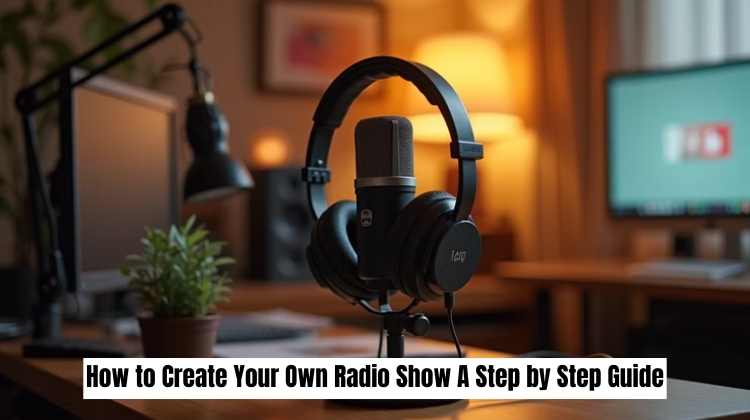
Creating your own radio show is no longer limited to big studios and broadcasting networks. With today’s technology, anyone with a clear idea, a decent microphone, and consistency can launch a successful radio or online audio show. Whether you want to entertain, educate, or build your personal brand, this step-by-step guide will help you get started.
Start with a clear idea of what your radio show will be about.
Ask yourself:
Tip: Choose a niche instead of a broad topic. For example, instead of “music,” go with “indie artists spotlight” or “retro Bollywood hits.”
Your format shapes how your show feels and flows.
Common formats include:
🎙 Talk show
🎵 Music show
🎤 Interview show
📰 News & commentary
📚 Educational series
😂 Comedy & storytelling
Also decide:
Consistency in format builds listener loyalty.
A structured show sounds professional and keeps listeners engaged.
Basic episode structure:
Create a simple outline for each episode before recording.
You don’t need an expensive studio to start — just reliable basics.
Minimum setup:
Popular recording/editing tools:
Branding makes your show memorable.
Prepare:
Your name should be easy to remember, searchable, and related to your topic.
Before launching officially, record a test episode.
Check for:
Listen to it fully and make improvements. You can also get feedback from friends or a small test audience.
Editing removes mistakes and improves listening experience.
Edit out:
Add:
Clean editing makes even beginner shows sound polished.
Decide how your show will reach listeners.
Options:
You can also live-stream your show using broadcasting software.
Consistency grows your audience.
Choose:
Release episodes on the same day and time so listeners know when to expect new content.
Promotion is just as important as production.
Ways to promote:
Create short teaser clips to attract new listeners.
Great shows build communities.
Encourage:
Mention listener names on air — it builds loyalty and connection.
Review your performance regularly.
Track:
Upgrade your content, delivery style, and audio quality over time.
Starting your own radio show is easier than ever — but success comes from planning, consistency, and authenticity. Focus on delivering value, sounding clear, and connecting with your audience. Your voice and perspective are what make your show unique.