
Shopping cart
Your cart empty!
Your cart empty!

Join 10k+ people to get notified about new posts, news and tips.
Do not worry we don't spam!
Feb 11, 2026 • 629 views
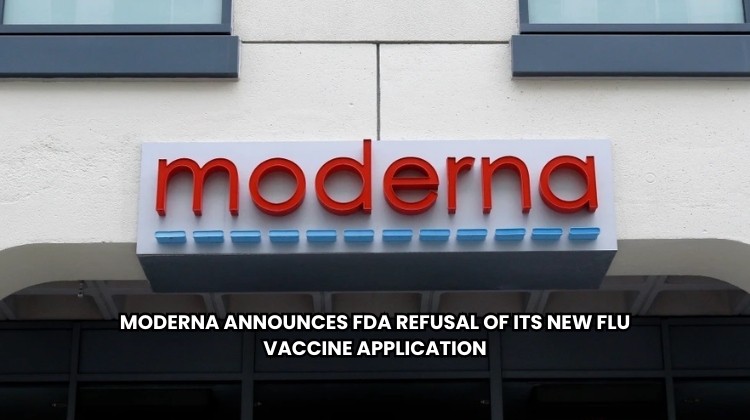
Moderna has announced that the U.S. Food and Drug Administration (FDA) has refused its application for a new mRNA-based flu vaccine, marking a temporary setback for the biotechnology company’s expanding vaccine portfolio. The decision highlights the ongoing regulatory challenges involved in bringing next-generation vaccines to market.
Moderna, widely recognized for its COVID-19 mRNA vaccine, has been working to expand its messenger RNA technology into other infectious diseases, including seasonal influenza. The new flu vaccine was designed to use mRNA technology to stimulate an immune response against multiple influenza strains, potentially offering improved effectiveness compared to traditional flu shots.
However, the FDA’s refusal to accept the application indicates that regulators require additional data or clarifications before proceeding with a full review. While this does not necessarily mean the vaccine is rejected permanently, it delays the approval timeline and may require further clinical or manufacturing information.
The global flu vaccine market is highly competitive, with several pharmaceutical companies producing updated formulations each year. Moderna’s entry with an mRNA flu vaccine was expected to introduce innovation into a field that traditionally relies on egg-based or cell-based production methods.
If successful, mRNA technology could allow for faster development and potentially better strain matching during flu seasons. The FDA’s decision, however, underscores the importance of regulatory scrutiny in ensuring vaccine safety, efficacy, and manufacturing consistency.
In response to the FDA’s action, Moderna stated it plans to work closely with the agency to address the concerns raised. The company remains committed to advancing its flu vaccine program and strengthening its broader pipeline of mRNA therapeutics and vaccines.
Despite the setback, industry analysts note that regulatory refusals are not uncommon in the pharmaceutical approval process. With additional data and collaboration, Moderna may still move forward in bringing its innovative flu vaccine to market.
As the biotech sector continues to evolve, the outcome of Moderna’s mRNA flu vaccine application will be closely watched by investors, healthcare professionals, and public health experts alike.