
Shopping cart
Your cart empty!
Your cart empty!

Join 10k+ people to get notified about new posts, news and tips.
Do not worry we don't spam!
Jan 31, 2026 • 557 views
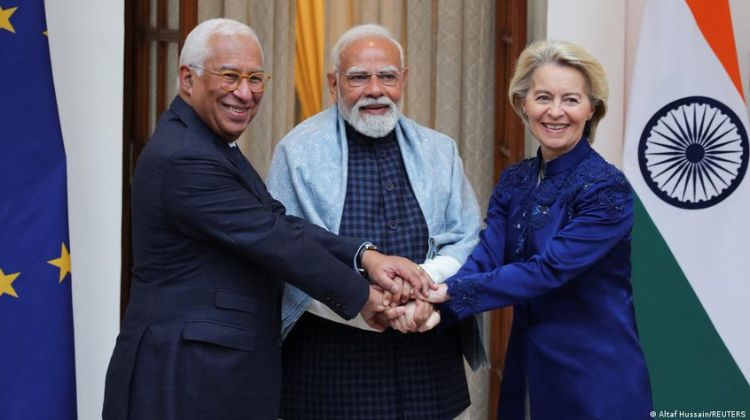
In late January 2026, India and the European Union (EU) finalized a long-awaited Free Trade Agreement (FTA)—a pact hailed as the “mother of all trade deals” due to its scale, historic duration of negotiations, and global significance.
This agreement creates a trade framework spanning nearly 2 billion people and about a quarter of global GDP, reshaping economic ties between two major global players.
At its core, the pact commits both sides to slashing tariffs on a vast majority of traded goods and simplifying trade rules:
Indian industries—from textiles and leather to marine products, spices, and gems—gain improved access to Europe’s huge consumer market.
Services, digital trade, investment protection, and professional mobility are also part of the agreement, opening doors for Indian IT and consulting firms while giving European companies better regulatory certainty.
The deal includes simplified customs rules, regulatory cooperation, and protections for intellectual property that benefit companies on both sides.
📈 Leading industry voices and government ministers have touted this deal as giving India a seat at the “global high table” and unlocking strategic economic opportunities worth trillions over the long term.
Despite its promise, the deal is not without controversy:
Agriculture and dairy, among other sensitive sectors, were largely kept out of deep liberalization to protect domestic producers.
Translating tariff reductions into actual trade gains can take years. Supply chain integration, infrastructure, and compliance are critical for realizing promised benefits.
This FTA goes beyond economics—positioning India and the EU as strategic partners in global trade at a time of shifting alliances and protectionist pressures worldwide.
It sends a message about global diversification of trade regimes and strengthens ties between two major democracies, offering an alternative to trade frameworks centered around other major powers.
The EU-India trade pact is a landmark achievement—linking two massive markets and setting the stage for deeper economic, political, and strategic cooperation. While it offers significant opportunities for growth, jobs, and consumer choice, it also brings challenges that policymakers and industries must actively manage.
In essence, the pact is not merely a commercial treaty—it’s a blueprint for future cooperation in a rapidly changing global economy. Its real impact will unfold over the next decade as businesses adapt, regulations evolve, and trade flows expand.